Calm tracking · 7 min read
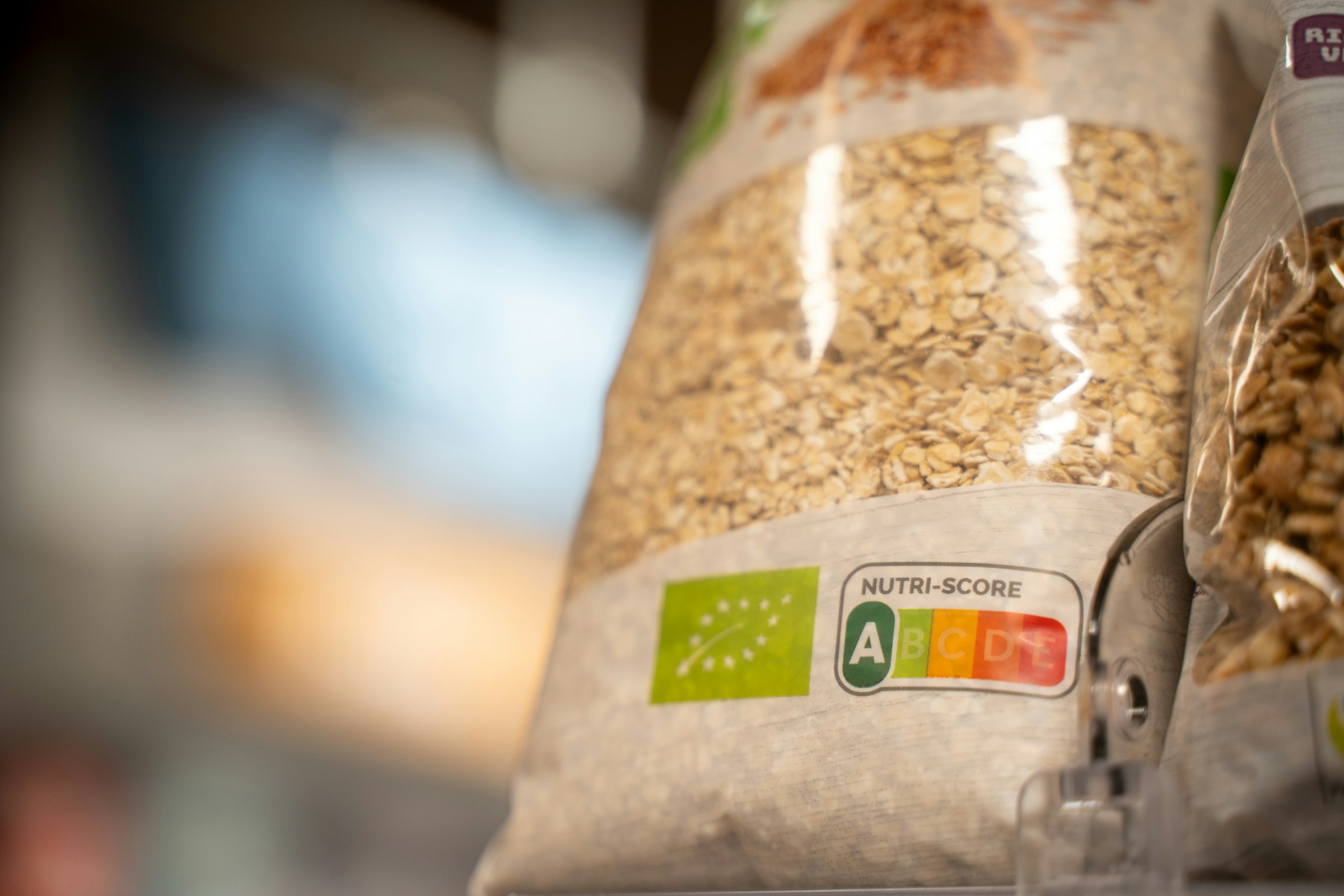
Why Are Nutrition Labels So Confusing?
Reading a label properly means doing arithmetic in a supermarket aisle. What % Daily Value means, where people come unstuck, and what works better.
Read the guide
Ori Blogs
Clear answers about food, weight trends, and targets. Written for normal life and backed by sources.
Start here
Calm tracking · 7 min read
Reading a label properly means doing arithmetic in a supermarket aisle. What % Daily Value means, where people come unstuck, and what works better.
Read the guideBrowse by topic
3 guides
Why a fixed calorie target drifts out of date, what NEAT and metabolic adaptation change, and what a target that updates weekly responds to.
See the guides3 guides
What actually moves the scale overnight, how often the research supports weighing yourself, and how to get the trend without seeing the number.
See the guides3 guides
Why calorie tracking becomes stressful, what the research says about counting and anxiety, and what a quieter version of tracking looks like.
See the guides3 guides
Label tolerances, restaurant calorie counts, portion misjudgement and under-reporting: how far a daily calorie total sits from the truth, and why.
See the guides2 guides
How calorie apps differ, who each kind suits, and what to look for if detailed logging is the part you have had enough of.
See the guidesAbout these guides
Ori articles explain food and weight topics in everyday language and link to the research behind them.
If your situation involves pregnancy, an eating disorder, medication, or a clinical nutrition need, a qualified professional can give advice tailored to you.
Read the Health DisclaimerMore to explore
Tracking accuracy · 6 min read
Weighing makes calorie tracking more accurate for loose foods like muesli and rice, and barely at all for bread. What the research shows.
Choosing an app · 5 min read
MyFitnessPal is built for detailed logging. If that's the part you've had enough of, here are simpler options and how to choose between them.
Weighing and the scale · 4 min read
Weighing more often tends to help while actively changing your weight. For keeping it off, the evidence on ideal frequency is less settled.
Choosing an app · 4 min read
You can step on the scale without seeing the reading. Here are the scales you can buy and the apps that do it, and how to pick between them.
Adaptive weekly target · 4 min read
Two people on the same calorie deficit lose weight at different rates for real reasons — genetics, appetite, and adherence, not just willpower.
Tracking accuracy · 5 min read
Restaurant calorie counts are accurate on average, but not reliably so for any single dish — some run hundreds of calories higher than listed.
Adaptive weekly target · 4 min read
NEAT is the calories burned by everyday movement, not exercise, and it shifts by hundreds of calories a day without you noticing, in either direction.
Weighing and the scale · 5 min read
Daily weighing helps most adults but can backfire for some. Here's what the research says, who's at risk, and how to get the benefit without the number.
Calm tracking · 4 min read
Many people stop using tracking apps within months because logging feels tedious. Here's why, and how Ori can make it easier to keep going.
Tracking accuracy · 4 min read
Underestimating how much you've eaten isn't a willpower problem, it's a well-documented memory effect. Here's what the research actually shows.
Calm tracking · 4 min read
Research on calorie counting and anxiety is genuinely mixed. Here's what the evidence shows, and how Ori's Stealth Health mode lets you skip the numbers.
Weighing and the scale · 6 min read
Daily weight swings are usually water, not fat, and part follows your menstrual cycle. What actually moves the scale, and when daily weighing helps or hurts.
Adaptive weekly target · 6 min read
Your calorie target should be adjusted often and not fixed for months, no matter if you're trying to lose weight or gain it.