
Best Apps for Gaining Weight in 2026
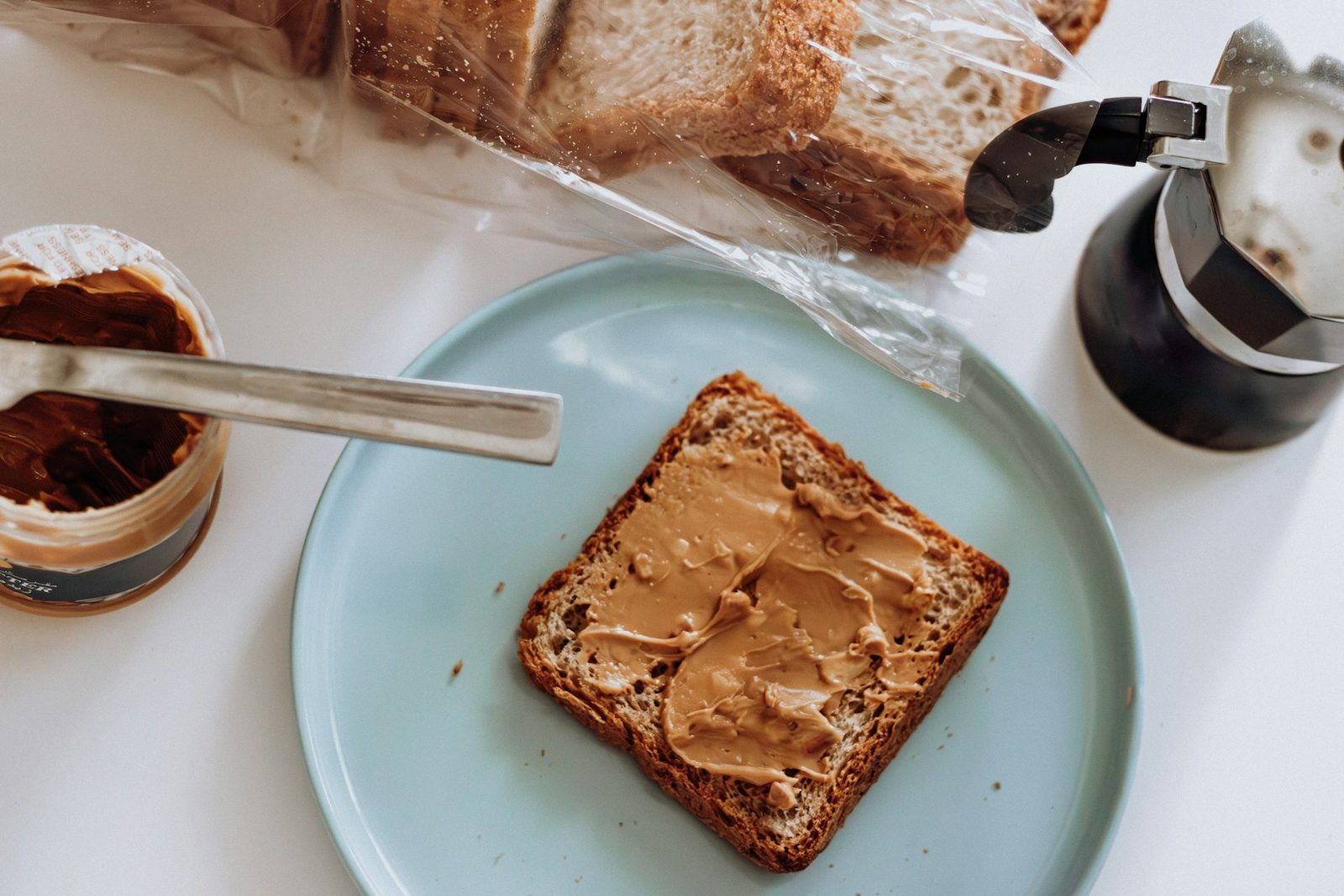
Cronometer is the best free calorie counter app for weight gain, because its free version includes a barcode scanner and its full food database. MacroFactor suits people who want protein, carbs and fat targets that change every week. MyFitnessPal suits people who like seeing every number. Ori, our app, is gentler if the scale makes you anxious.
In brief
- Cronometer's free version includes its full food database and barcode scanner. MyFitnessPal's barcode scanner needs Premium.
- MacroFactor and Ori (with Premium) adjust your target every week. MacroFactor has no free version.
- The NHS suggests adults who want to gain weight add around 300 to 500 calories a day, and do it gradually.
What should a calorie app for weight gain do?
It should make eating more feel easy, and keep up with you. Check these four things before you download one:
- A goal to gain, at a pace you choose. The NHS suggests gaining gradually.
- A target that changes as your body does. The amount that made you gain in week one may not do it in week six.
- Quick logging. When you’re adding snacks and bigger portions, a slow app becomes one more chore.
- A free version, so you can try it before you pay.
The table below compares all four apps on these.
Which calorie apps work for gaining weight?
All four apps below let you set a goal to gain weight. They differ in how your target changes, how you log food, and whether there’s a free version. We’ve kept the list to four apps we could check feature by feature.
| App | Goal to gain | How your target changes | Barcode scanner | Free version |
|---|---|---|---|---|
| MyFitnessPal | Yes, you pick a weekly gain | May change as your weight changes | Premium only | Yes |
| Cronometer | Yes, you pick a rate | Updated when you edit your weight goal | Yes, free | Yes |
| MacroFactor | Yes, a bulk goal | Adjusted every week | Yes | No, 7-day free trial |
| Ori | Yes, you choose the pace | Adjusted every week (Premium) | No | Yes |
Checked on each app’s own website or help pages on 5 October 2026. Features change, so check the app before you download.
Which app suits you?
MyFitnessPal is a good fit if you like seeing every number. Its food database is built by its community, so other users have added lots of foods for you. Premium adds a barcode scanner for packaged food. You tell it how much you’d like to gain each week. It then works out a daily goal from your age, sex, height, weight and activity.
Cronometer is built for detail. It’s a good fit if you want to check that the extra food also covers your vitamins and minerals. You can set a goal to gain and pick your rate of change.
MacroFactor is a good fit if you want close control over protein, carbs and fat. It estimates how many calories you burn and adjusts your plan every week, with a bulk goal for gaining.
Ori is our app. We built it for people who find it hard to eat enough, or who get anxious watching the scale. You choose a gentle, steady or firmer pace, or set your own on a slider. With Premium, Ori reviews your week and suggests a new target. It also suggests small additions to food you already eat, like peanut butter on your toast. You can log by photo, voice or a photo of the nutrition label with Premium. Stealth Health, which is free, hides calorie and weight numbers. Instead it tells you things like “room for a meal to support your gain target”. Ori shows the protein, carbs and fat you’ve logged, but doesn’t set targets for them. It also has no barcode scanner. If you want macro targets, MacroFactor will suit you better. For barcode scanning, try Cronometer or MacroFactor.
What’s the best free calorie app for gaining weight?
Cronometer’s free version is the most complete of the four. Cronometer says its free account includes its full food database (over a million foods) and an unlimited barcode scanner. It also tracks up to 95 nutrients for free.
The others offer less for free:
- MyFitnessPal is free to use, but its barcode scanner has needed Premium since October 2022.
- Ori’s free version covers Stealth Health and logging food and weight by hand. The weekly target check and photo logging need Premium.
- MacroFactor has no free version, only a 7-day free trial.
Why does weight gain stall on the same calories?
One reason gain can slow down is that some people’s bodies burn more when they eat more. Much of that comes from everyday movement, like fidgeting, standing and walking about, rather than exercise.
In a 1999 study, 16 healthy-weight adults ate 1,000 extra calories a day for 8 weeks. Of the extra calories their bodies burned, about two thirds went on everyday movement. Some moved far more than others, and some stored about ten times more fat than others. It’s one small study, so treat it as one possible reason, not the whole story. We cover it in what is NEAT.
Other reasons can be simpler. You might eat a bit less at other meals without noticing, or miss things when you log. We go through each reason, and what to do about it, in why am I not gaining weight in a calorie surplus.
How do you use an app to gain weight?
- Find your maintenance calories first. That’s how much keeps your weight steady. Our maintenance calorie calculator gives a quick estimate, and our guide on how to find your maintenance calories explains how to check it.
- Add a little on top. The NHS suggests adults try around 300 to 500 extra calories a day, and gain gradually. Our weight gain calorie calculator works out a daily target for you.
- Eat little and often. The NHS suggests smaller meals more often, with snacks between them.
- Add extras to meals you already eat, like cheese, nuts or seeds. Milkshakes between meals can help, but don’t fill up on drinks just before you eat. The NHS also says not to rely on chocolate, cakes and sugary drinks.
- Do some strength training or yoga. The NHS says this helps you build muscle and can improve your appetite. If you’re slim, a 2000 review found about 60 to 70% of weight gained from eating more was lean tissue, like muscle and water.
- Weigh yourself at the same time of day, and compare weekly averages rather than single days. We explain why in when is the best time to weigh yourself.
- Give it a few weeks. If your weekly average hasn’t moved, add a little more food and check again.
Where Ori fits
If you’d like an app that keeps up with you without making you stare at numbers, you can try Ori here.
Related reading
- How to find your maintenance calories
- What is NEAT and why does it change without you noticing?
- Why your calorie target shouldn’t stay the same for months
- Apps like MyFitnessPal, but simpler
- Best calorie counter apps in the UK
Sources
- NHS. Healthy ways to gain weight. Page last reviewed 28 March 2023, checked 5 October 2026
- Levine JA, Eberhardt NL, Jensen MD. Role of nonexercise activity thermogenesis in resistance to fat gain in humans. Science, 1999.
- Forbes GB. Body fat content influences the body composition response to nutrition and exercise. Annals of the New York Academy of Sciences, 2000.
- NHS. Eating disorders overview. Page last reviewed 23 January 2024, checked 2 October 2026
- MyFitnessPal Help: How does MyFitnessPal calculate my initial goals?, checked 5 October 2026
- MyFitnessPal Help: How to use the Barcode Scanner, checked 5 October 2026
- Cronometer: Free nutrition tracking app, checked 5 October 2026
- Cronometer Blog: How To Track Weight on Cronometer, 2025, checked 5 October 2026
- MacroFactor app, including its FAQ, checked 5 October 2026
A gentle safety note
Ori supports general wellness. It is not medical care. If you have a history of disordered eating, are pregnant or breastfeeding, take medicines that affect weight or appetite, or have a clinical nutrition need, speak with a qualified healthcare professional before changing your intake or weight goal.
Read Ori's Health Disclaimer